Our Research Directions
Advancing neurosurgery through computational innovation and clinical application
We apply artificial intelligence, fractal geometry, radiomics and computational modelling to brain diseases of neurosurgical interest. Our work spans tumour neuroimaging, digital neuropathology, intraoperative AI, computational neurobiology, cognitive neuroscience and neuro-ethics, always with clinical translation as the goal.
Seven research directions
The core domains driving the CNS Lab's scientific programme.
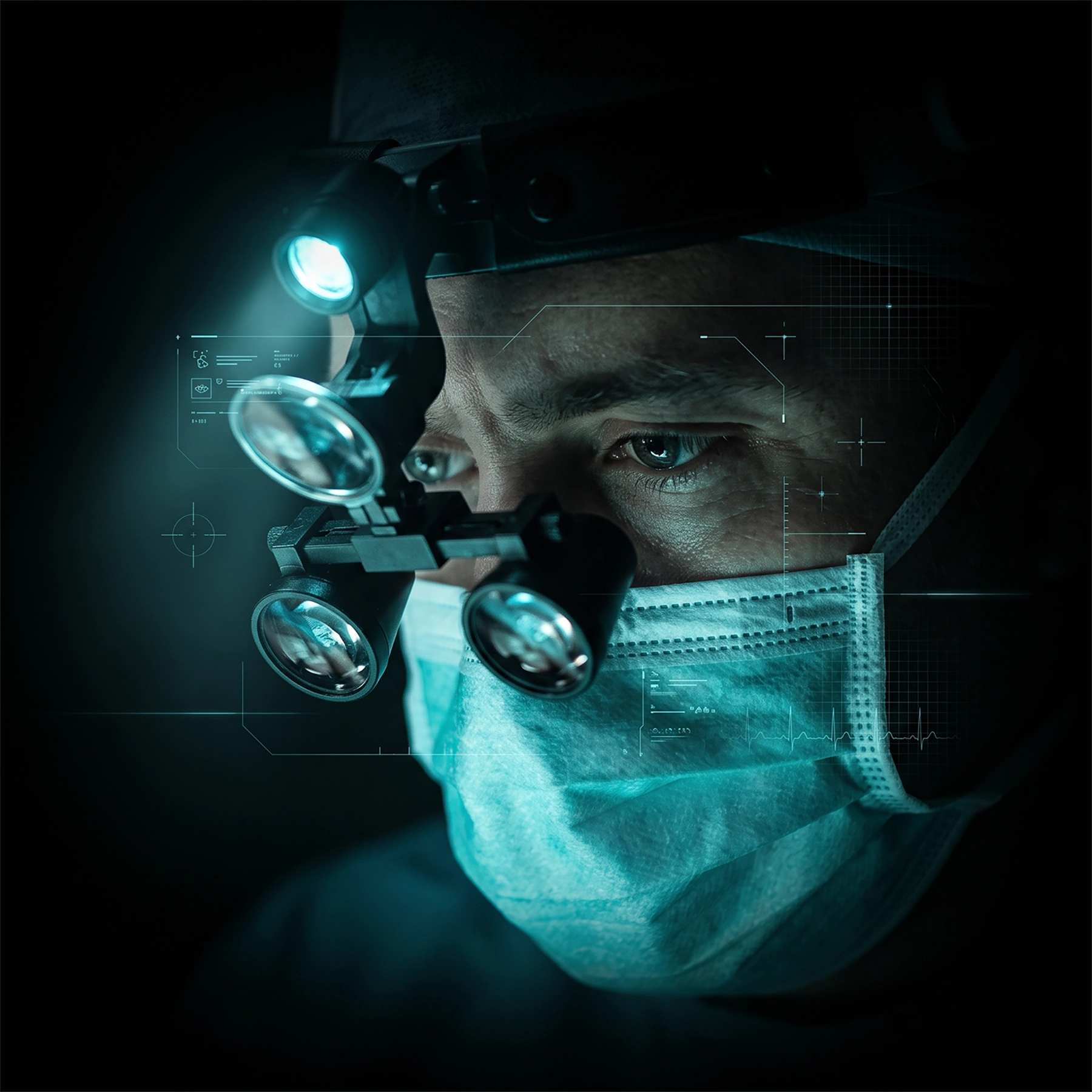
Computational Neurosurgery
From fluorescence-guided resection and connectomics to intraoperative AI, we bring computational methods into the operating theatre to support surgical decisions and improve outcomes.
Computational Digital Neuropathology
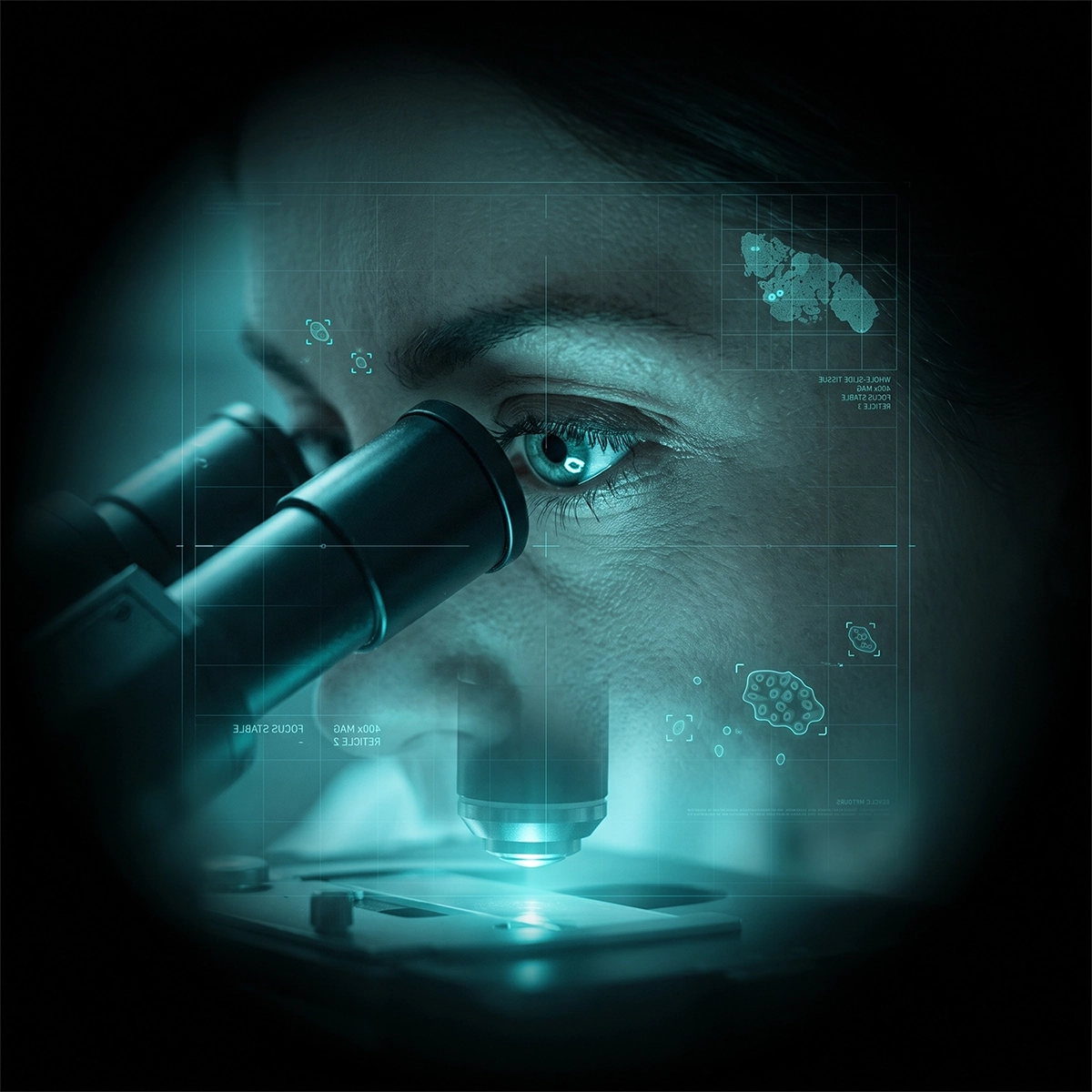
We apply deep learning to whole-slide images and pathomics to characterise brain tumours from tissue, enabling faster and more objective neuropathological diagnosis.
Computational Neuroimaging
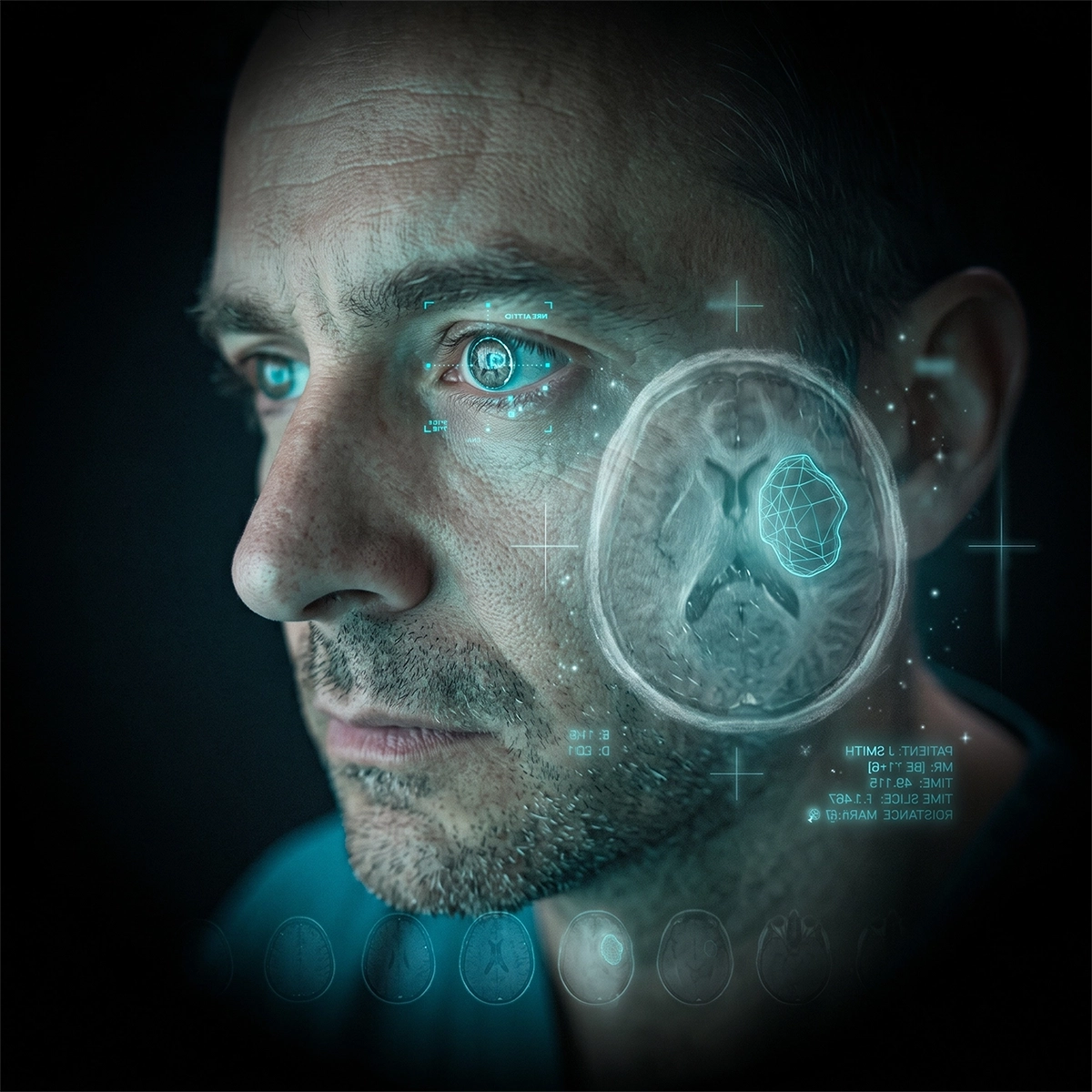
We analyse MRI, PET and spectroscopic data to segment, classify and grade brain tumours, and to read radiogenomic and molecular signatures non-invasively, including the spectrobiopsy concept we pioneered in Australia.

Neuromethods
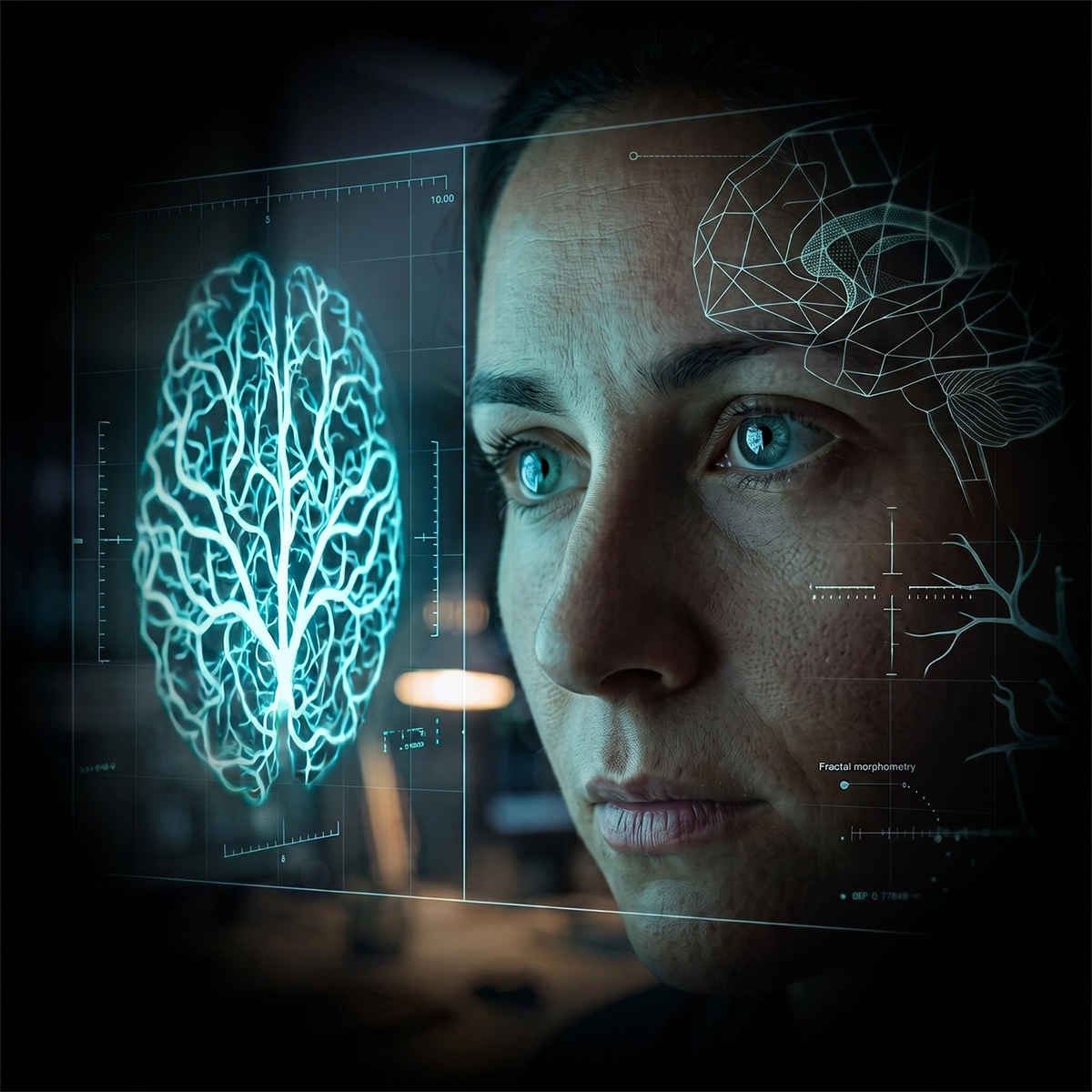
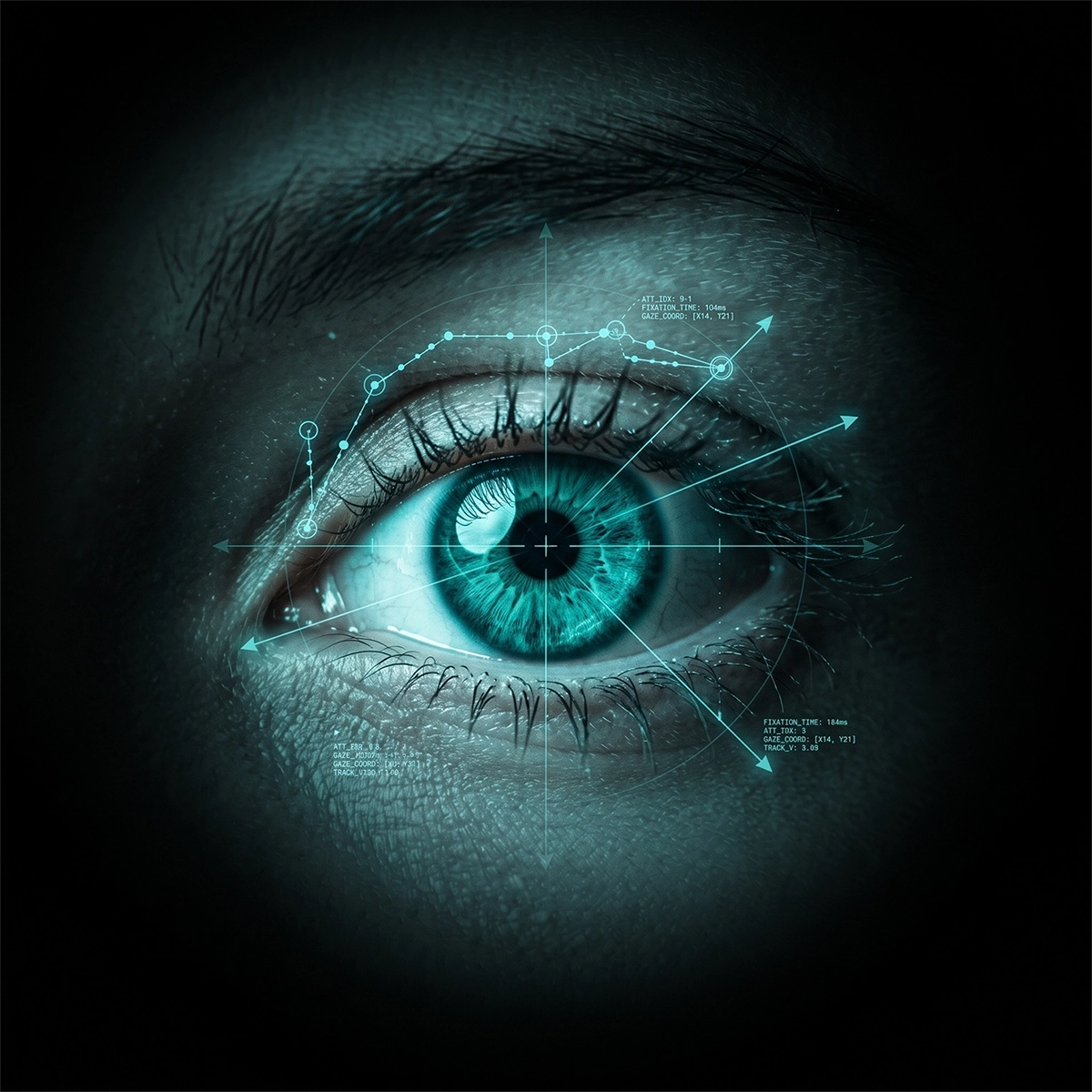
Fractal-based analysis, machine learning and eye-tracking form the methodological backbone of our research across all domains.
Computational Neurobiology & Neuroanatomy
We investigate multi-omics in brain tumours, experimental neuropathology and biophysics, including TMS and advanced neuroanatomy, to understand neurosurgical diseases at a biological level.

Cognitive
Computational Cognitive & Translational Neuroscience
We study human performance and expertise in medical specialists, AI-augmented clinical decision-making, and apply computational analysis across disciplines.

Ethics
Neuro-ethics, Neurophilosophy & Neuro-laws
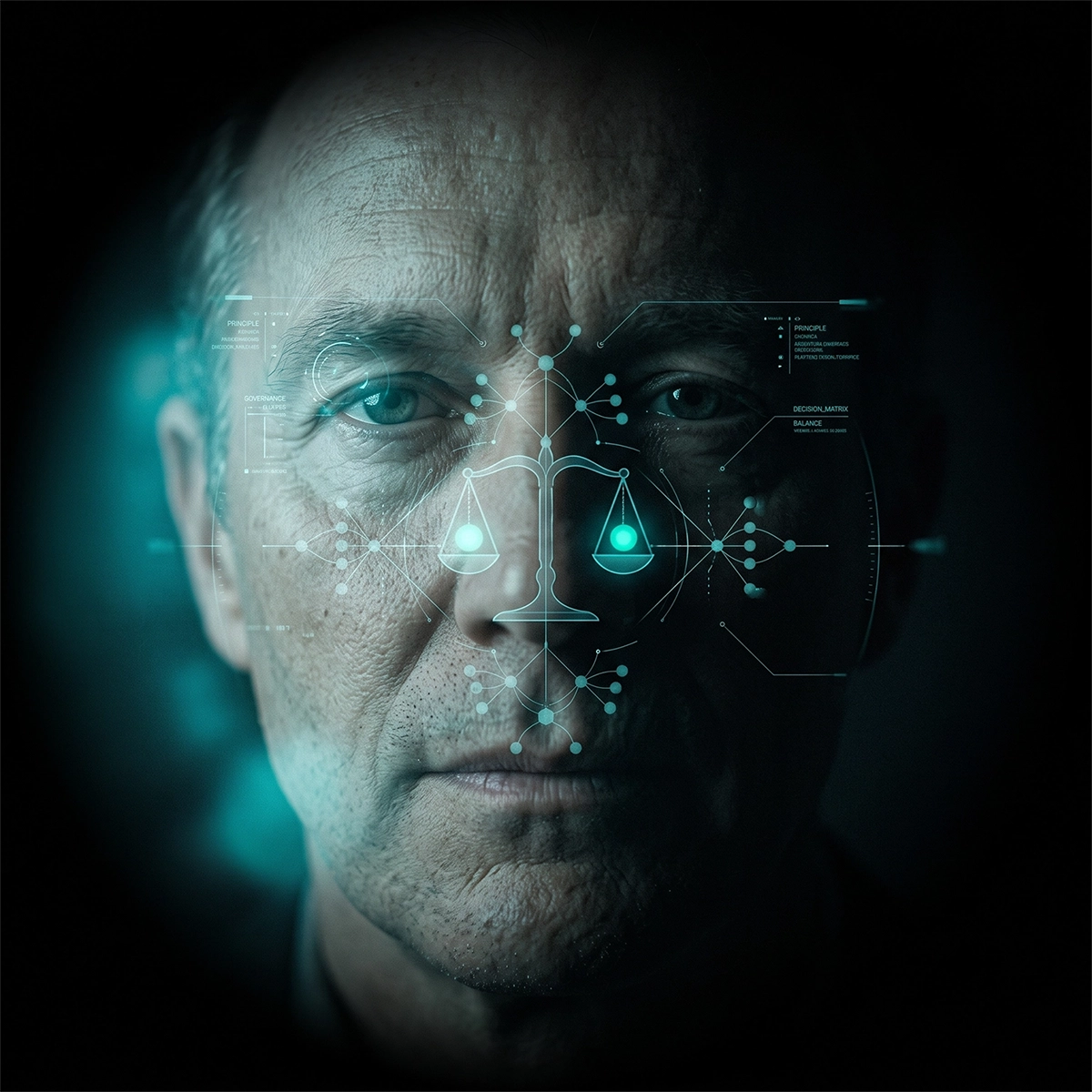
We examine the ethical, philosophical and legal dimensions of AI in neurosurgery, contributing to international frameworks for responsible and accountable practice, including the Declaration of Sydney.
Research that shapes clinical practice
Our work reaches surgeons and patients worldwide. We measure impact through publications, clinical adoption and the tools and datasets we release openly to the research community.
Peer-reviewed publications
Active international collaborations
Software tools and datasets
In research funding secured
Read our work
In the literature
Our publications document the evidence behind every discovery we make, from peer-reviewed papers and book chapters to conference proceedings.