Computational Neurosurgery
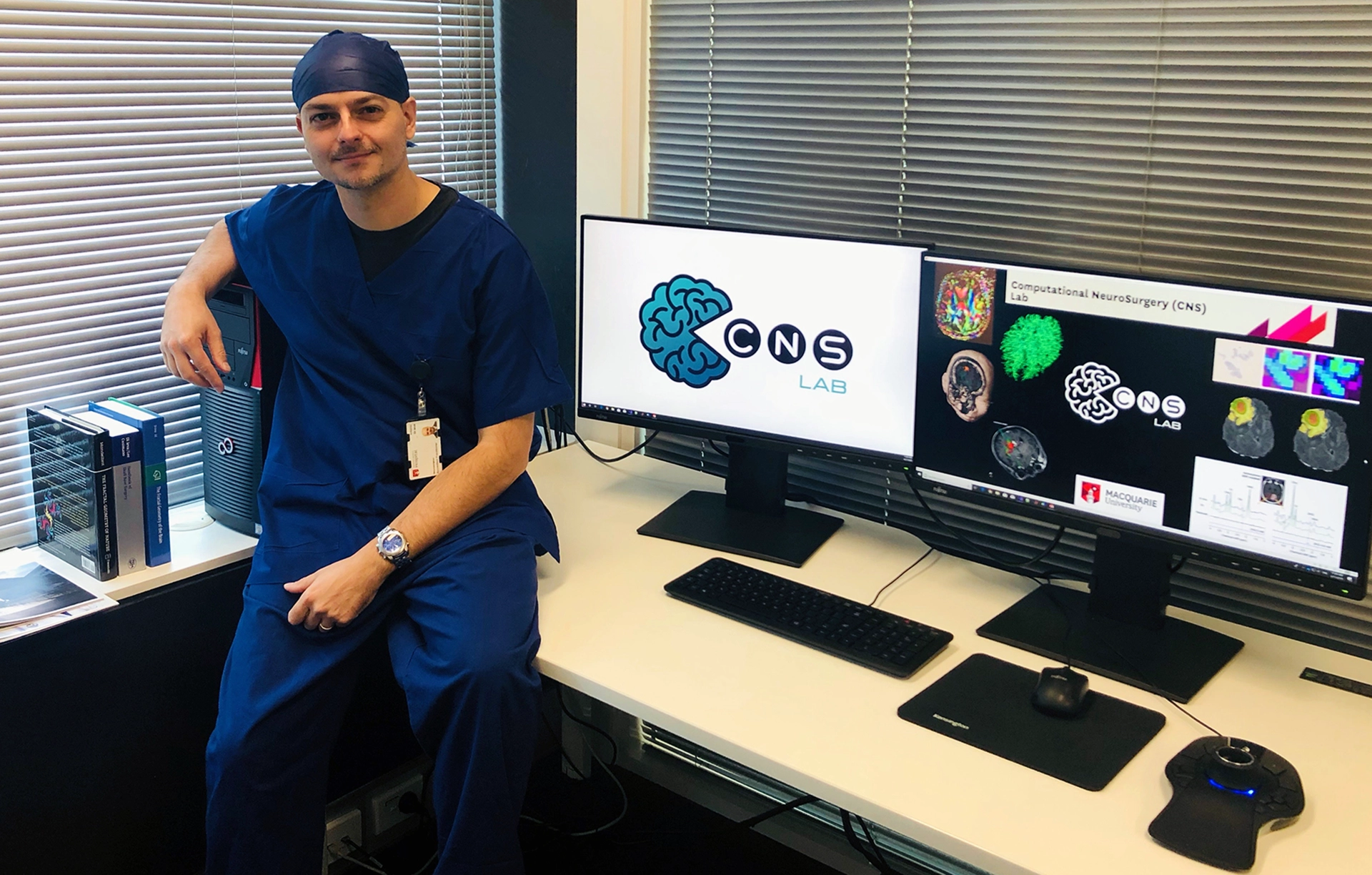
The Computational NeuroSurgery (CNS) Lab at Macquarie University applies artificial intelligence, fractal geometry and computational modelling to neurosurgical diseases, advancing surgical precision and patient outcomes.
Why we do this work
The CNS Lab exists to translate computational science into clinical reality. We believe artificial intelligence, mathematical modelling and rigorous image analysis can reshape how neurosurgeons diagnose and treat brain tumours and other neurosurgical diseases.
Professor Antonio Di Ieva leads the lab
Professor Di Ieva is a neurosurgeon, neuroanatomist and computational neuroscientist. He holds an MD from the University of Naples, Italy, and a PhD in Clinical Neurosciences from the Medical University of Vienna, Austria, and is a Fellow of the Royal Australasian College of Surgeons (RACS), an international fellow of the American Association of Neurological Surgeons (AANS), and a former Australian Research Council (ARC) Future Fellow. He founded the CNS Lab in 2018 through the RACS John Mitchell Crouch Fellowship and Macquarie University, establishing it as a world-leading centre for interdisciplinary computational research in neurosurgery.
Building computational neurosurgery
The CNS Lab has grown from a single research vision into a multidisciplinary team spanning neurosurgery, computer science, engineering and mathematics. Each milestone marks a step toward advancing surgical precision through rigorous science.
2018
CNS Lab founded at Macquarie University as the first computational neurosurgery laboratory in the world, building on the "Virtual Fractal Lab", established by Prof. Di Ieva in Vienna in 2009.
2019
Creation of the CNS Lab space at Macquarie University, with the first Research Associate, students, and high-performance workstation.
ARC Future Fellowship, opening the Computational Translational Cognitive Neuroscience stream at the CNS Lab
2020
First in Australia to apply 2HG-MRS spectroscopy to predict IDH mutation in gliomas, pioneering non-invasive spectrobiopsy.
First use of Generative AI to synthetise histopathology images of gliomas to predic the IDH mutation status.
2021
Established international collaborations with leading neurosurgical centres across Europe and North America.
2022
Creation of the Computational Neurosurgery Fellowship (1st in the world)
2023
Secured an NHMRC Ideas Grant for AI in brain tumour imaging and expanded international collaborations.
2026
Convened the 1st World Conference on Computational Neurosurgery (WCCNS) in Sydney, Australia
How we approach computational neurosurgery
Our work rests on rigorous science, interdisciplinary collaboration and the conviction that computational methods must serve clinical reality. We measure success not by publications alone, but by advances that reach patients.
Scientific rigor
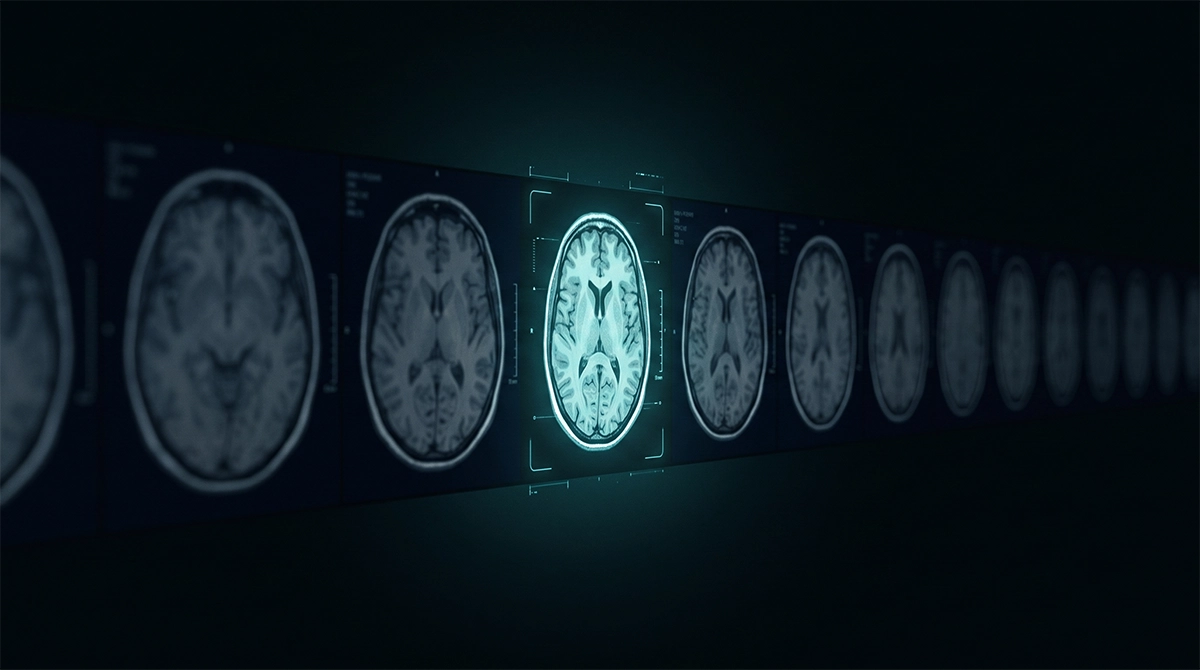
Every algorithm, every model, every segmentation is tested against clinical truth. We do not settle for theoretical elegance when precision matters.

Interdisciplinary collaboration
Neurosurgeons work alongside computer scientists, engineers, and mathematicians. This collision of disciplines produces insights neither could reach alone.
Translational focus
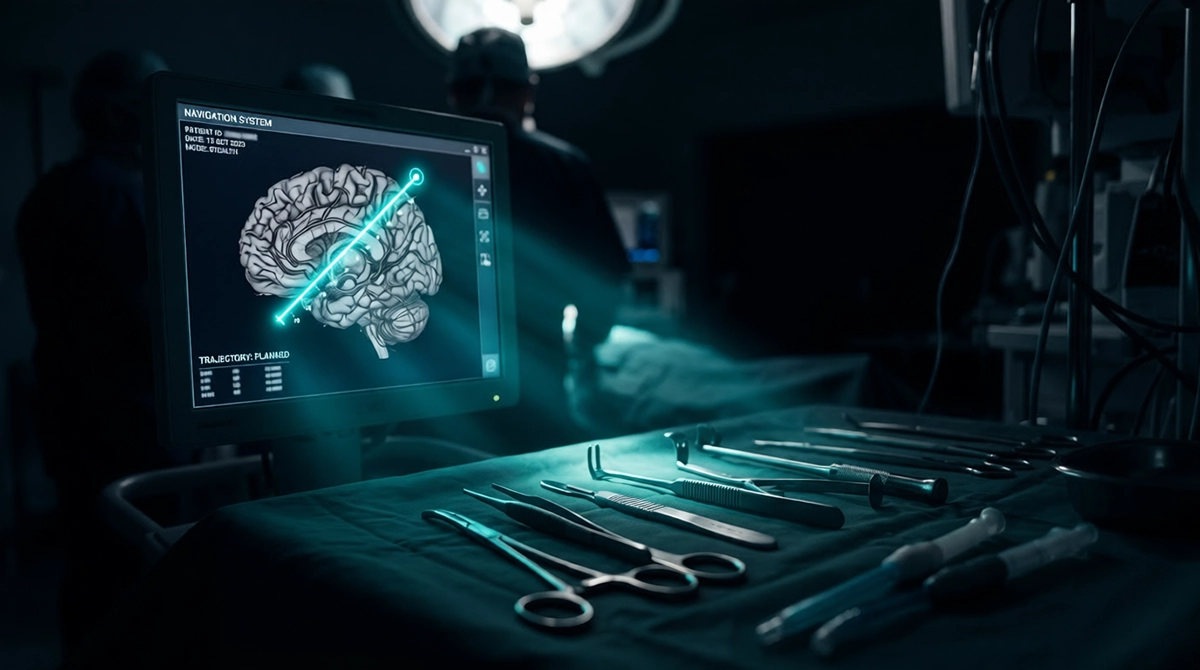
We build tools for operating rooms, not just for journals. Clinical impact drives our research direction and validates our methods.

Open science
We share code, datasets, and methods with the research community. Science advances faster when knowledge flows freely.
The people who drive our research
The CNS Lab brings together expertise across many disciplines. Each member adds depth in their field and a shared commitment to the lab's mission.
Core members of the lab
Our core researchers lead day-to-day research activity and mentor junior members.
Associate Members & External Collaborators
Senior academics from Macquarie University and partner institutions contribute expertise across radiology, statistics and health informatics.
Computational Neurosurgery Fellows Advancing Specialized Projects
Clinician-scientists undertaking our flagship Computational Neurosurgery Fellowship, sponsored by B Braun and Abbott, bridging surgical training and computational research.
PhD and Master's Students in Training
Graduate researchers pursuing higher degrees in medical image processing, artificial intelligence and computational neuroscience under the supervision of lab members.
Supported by leading institutions and partners




Join our team
Shape the future
We welcome talented researchers, clinicians and engineers to help advance computational neurosurgery; from PhD candidates to postdoctoral fellows and our flagship Computational Neurosurgery Fellowship.