Computational NeuroSurgery (CNS) Lab
Computational Intelligence Applied to Neurosurgery and Clinical Neurosciences
The Computational NeuroSurgery (CNS) Lab at Macquarie University brings artificial intelligence, fractal geometry and computational modelling into neurosurgical practice and neuroscience research, transforming how neurosurgical disease is diagnosed, treated and managed.
Research that matters to neurosurgery
Our work spans pre-, intra, and post-operative assessement of any neurosurgical disease.
We collaborate with neurosurgeons and medical imaging specialists worldwide.
Peer-reviewed publications
Research outputs advancing clinical neurosurgery and medical imaging.
Active research grants
Supported by national and international research bodies.
Global collaborations
Partnerships with institutions across Australia, Europe, Asia and North America.
Team members
Neurosurgeons, engineers, computer scientists, statisticians, and mathematicians.
We bridge neurosurgery and computational science to develop intelligent tools that improve patient outcomes and advance surgical knowledge.
Our research areas
Explore the core research domains driving our work.
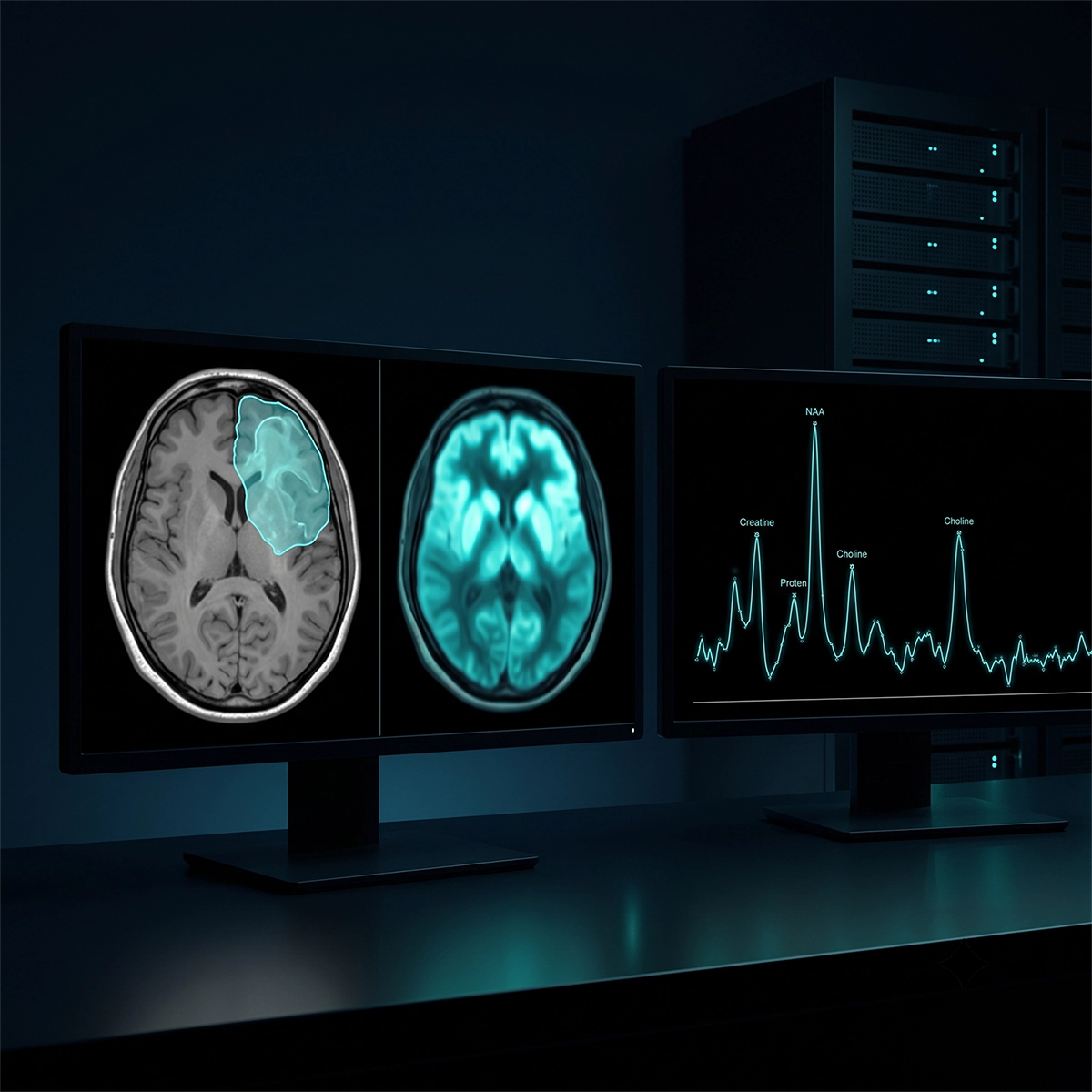
Computational Neuroimaging
We analyse neuroimages (including MRI and PET) to segment, identify and classify brain tumours, and to identify radiogenomic and spectroscopic signatures non-invasively.
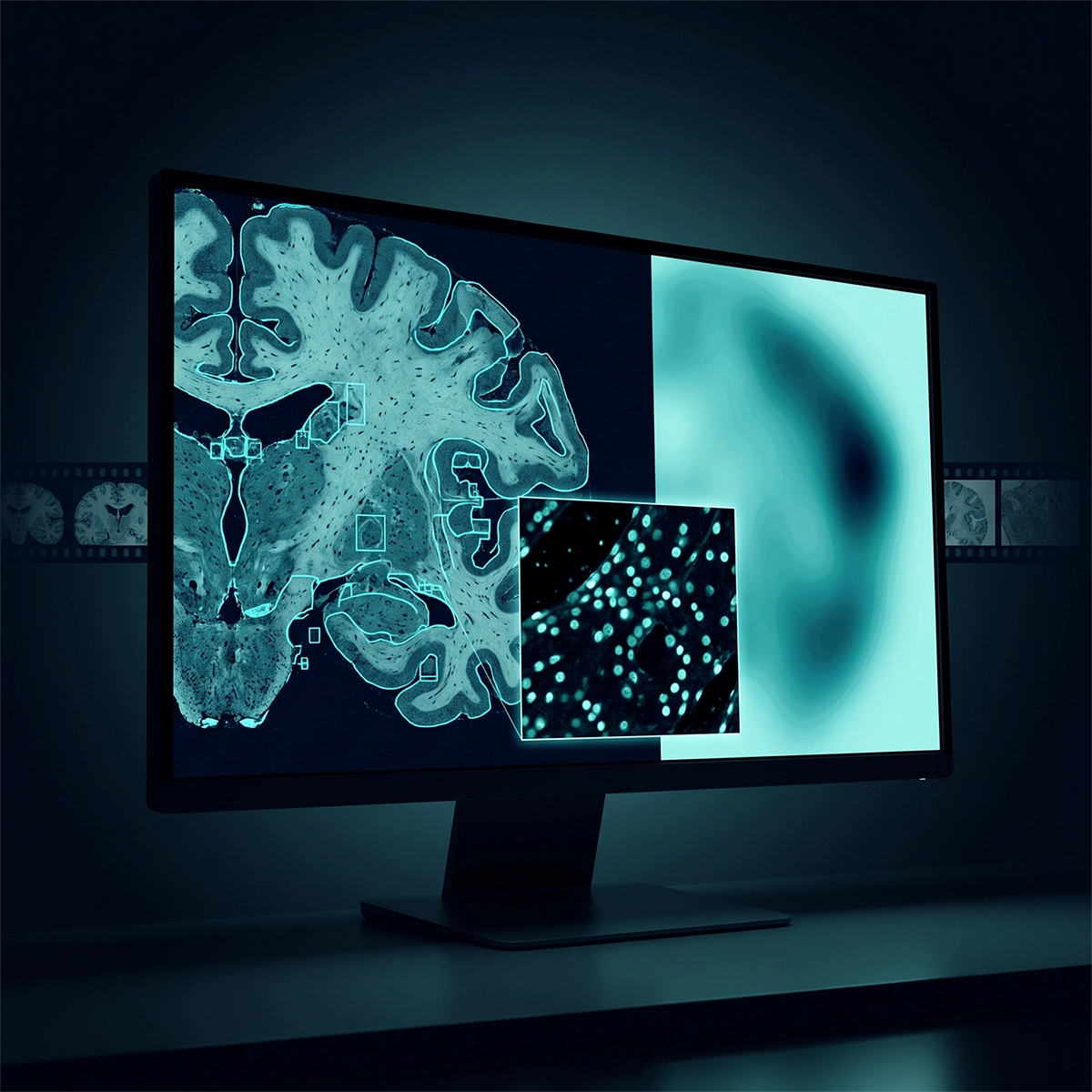
Computational Digital Neuropathology
We apply deep learning to whole-slide images and pathomics to characterise brain tumours directly from tissue.
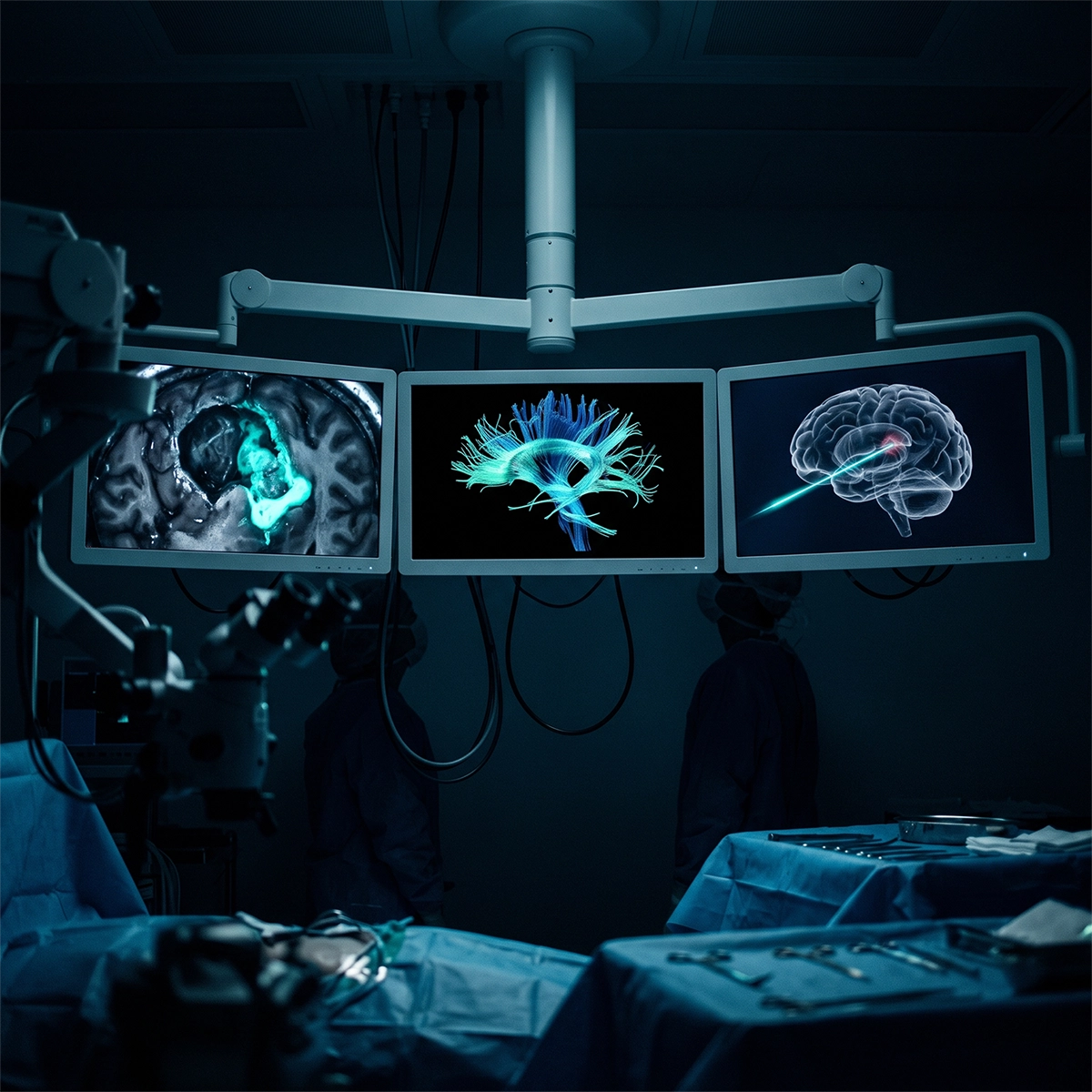
Computational Neurosurgery
From fluorescence-guided resection to connectomics and surgical corridor planning, we bring computation into the operating theatre.
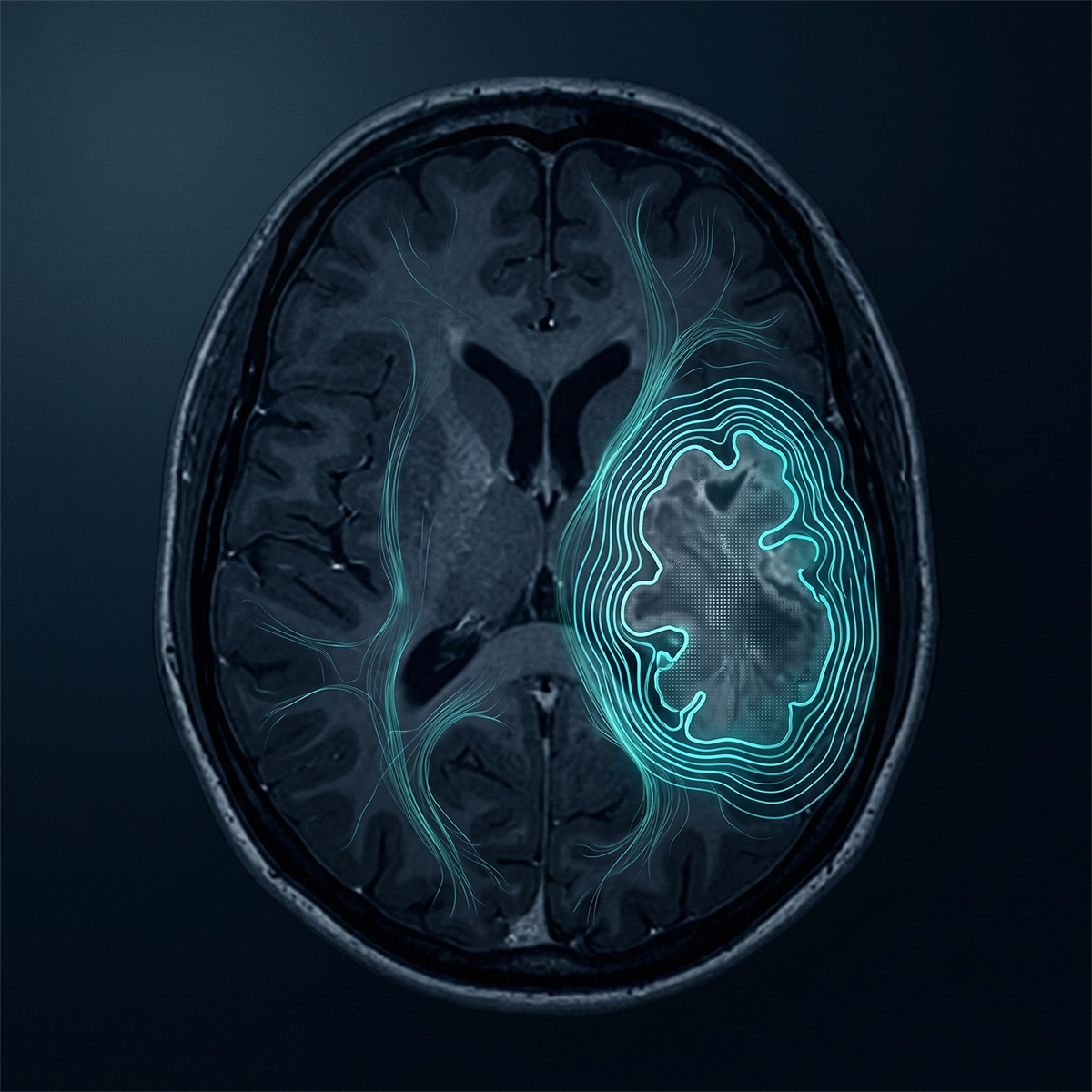
Computational Neuro-oncology
Linking imaging, molecular and pathology data to predict how brain tumours behave and respond to treatment.
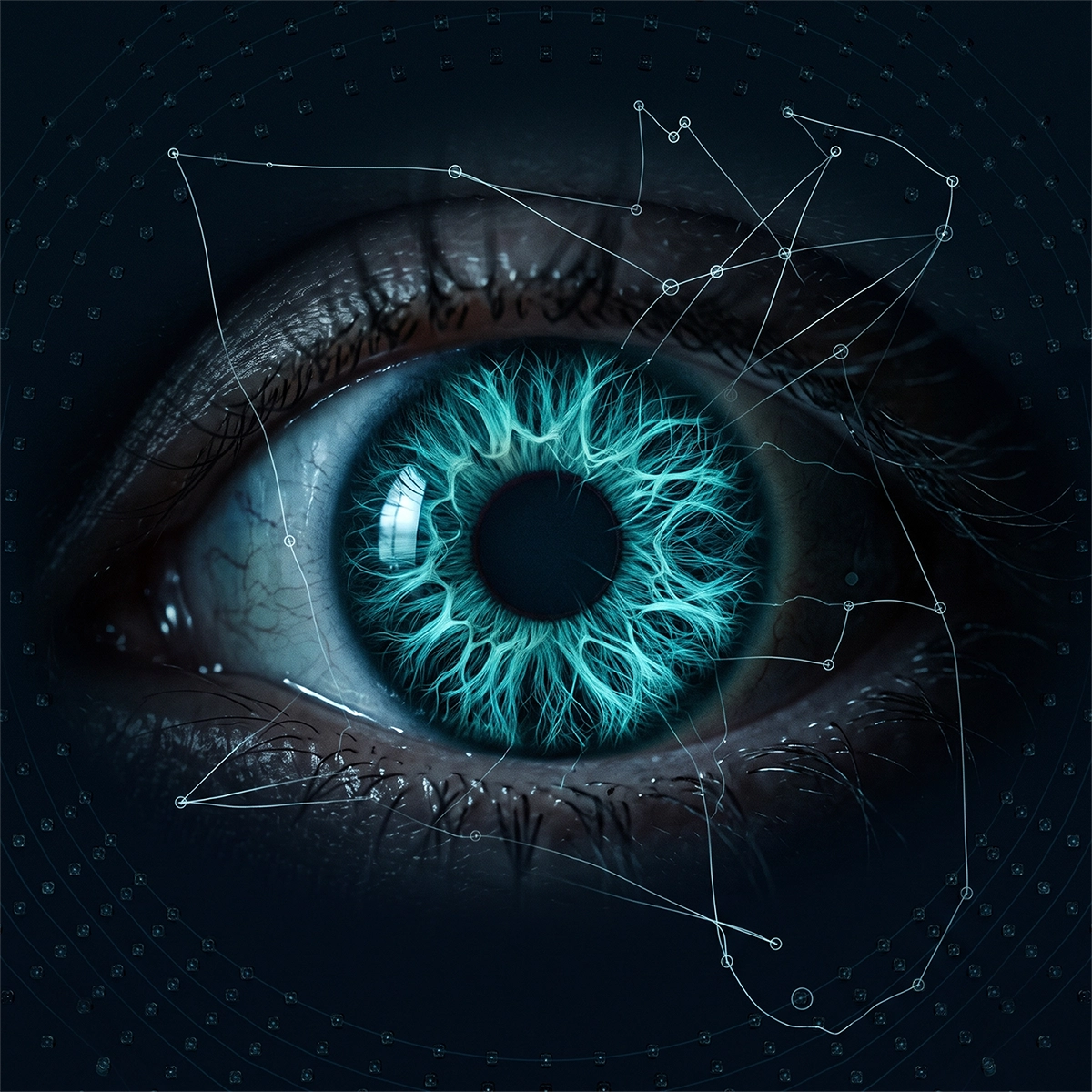
Computational Cognitive & Translational Neuroscience
Linking gaze, MEG and behaviour to understand perception and expertise, and carry those insights toward the clinic.
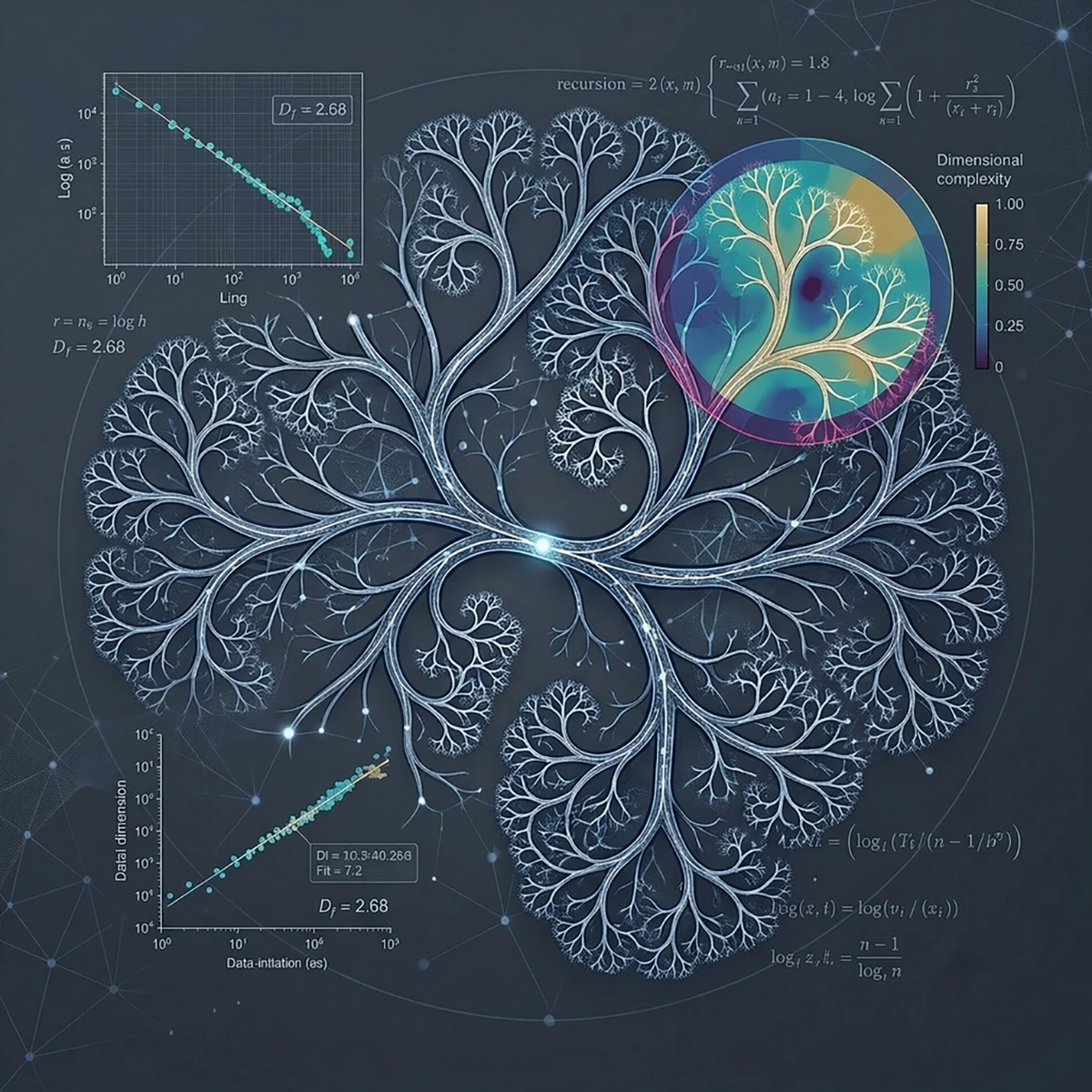
Neuromethods
Fractal-based analysis, machine learning and eye-tracking: the computational methods that underpin our research.
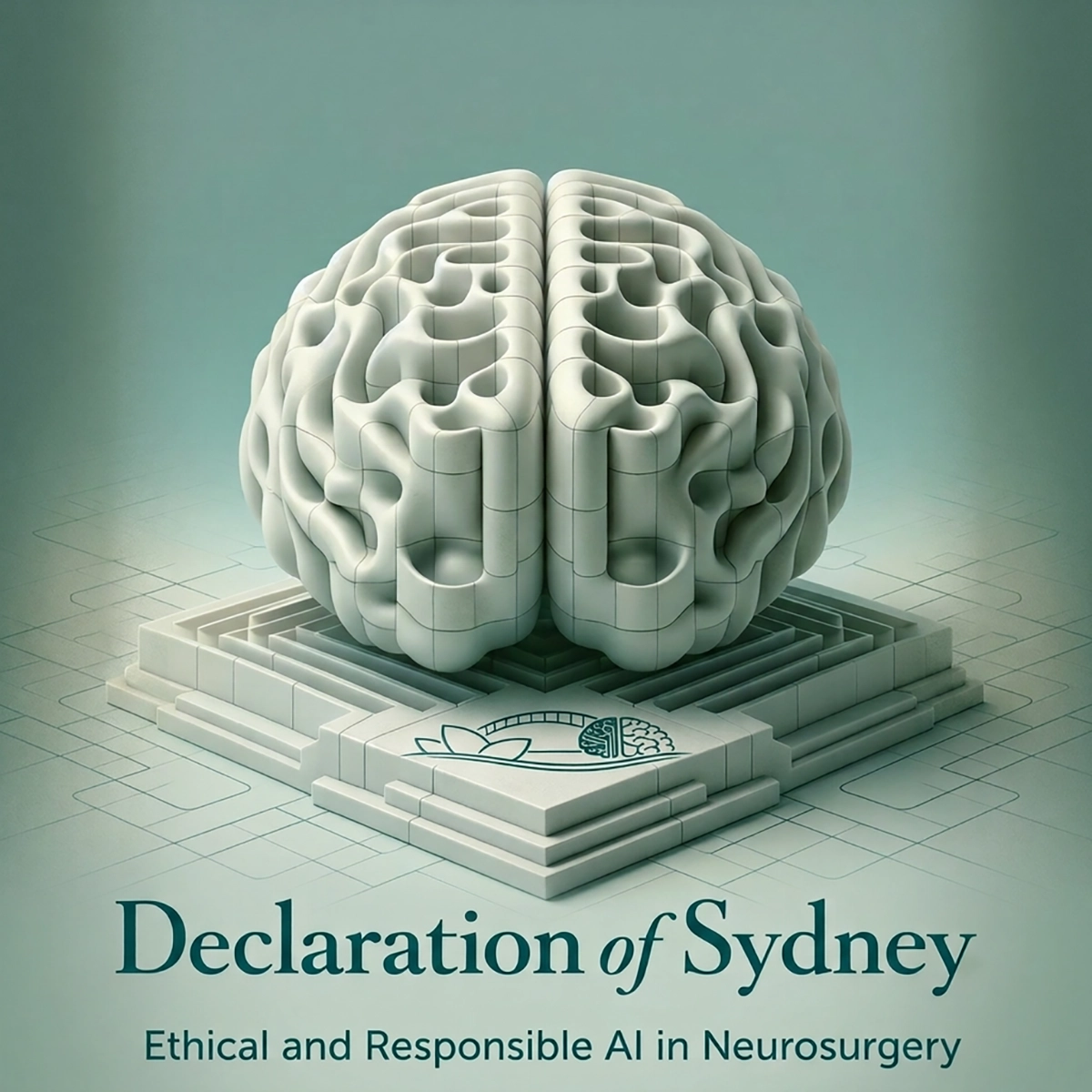
Neuro-ethics & Neurophilosophy
We examine the ethical and philosophical dimensions of AI in neurosurgery, contributing to international frameworks for responsible, transparent and accountable practice in computational neurosurgery.
Surgery guided by intelligence
Fluorescence-guided surgery is changing what neurosurgeons can see in the operating theatre. We develop machine-learning models that analyse hyperspectral imaging during 5-ALA fluorescence resection to differentiate tumour from healthy tissue at the margin, in real time and where it matters most.
Fluorescence-guided tumour resection
We apply deep learning to hyperspectral imaging during 5-ALA-guided surgery to predict tumour fluorescence and delineate the resection margin. The aim is to maximise safe tumour removal and reduce the risk of residual disease.

Recent publications from the lab
Our peer-reviewed work appears in leading journals and conferences. Each publication represents advances in computational neurosurgery, medical imaging, and clinical translation.
Latest work
Recent studies on tumour segmentation and radiogenomic prediction in glioblastoma.
Ongoing research
Current investigations into connectomic mapping and fluorescence-guided surgical outcomes.

Supported by leading institutions and research partners





Join our
research team
We welcome talented researchers, clinicians and engineers to help advance computational neurosurgery, from PhD candidates to postdoctoral fellows and our flagship Computational Neurosurgery Fellowship.